

Creativity, as we all know, sparks innovation and fuels progress, and nurturing this vital skill in our children is more important than ever. As parents and teachers, you play a pivotal role in cultivating the creative minds of tomorrow.
Here are some strategies to foster creativity in educational environments:
1. Embrace Open-Ended Exploration:
Encourage activities that don’t have a strict “right” or “wrong” answer. Let kids explore, ask questions, and come up with their own solutions. This could be through open-ended art projects, brainstorming sessions, or unstructured playtime.
2. Provide a Variety of Materials:
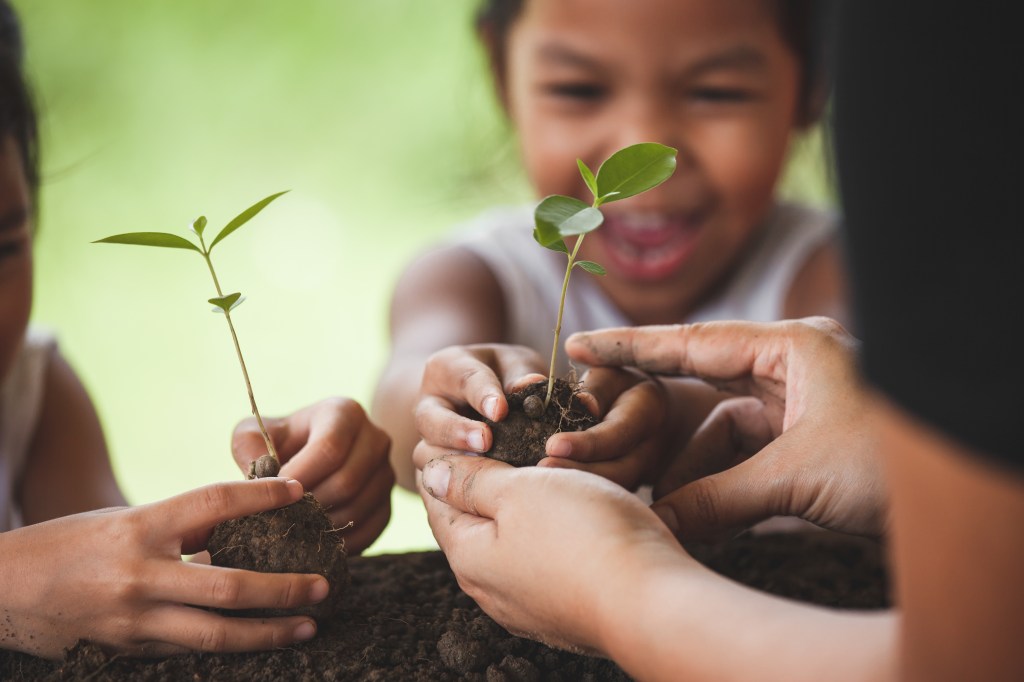
Supply a diverse range of materials for creative expression – from traditional art supplies to unconventional items like recycled materials, fabrics, or natural elements. This opens up a variety of possibilities and allows children to experiment with different mediums.
3. Encourage Curiosity and Questions:
Create an environment where curiosity is celebrated. Welcome questions, and don’t be afraid to say, “I don’t know; let’s find out together.” Curiosity is the ignition for creative thinking.
4. Foster Collaboration:
Collaborative projects not only enhance teamwork but also stimulate creativity. Group activities encourage the sharing of ideas and different perspectives, sparking a creative synergy that benefits all involved.
5. Allow Time for Daydreaming and Reflection:
Creativity often blossoms during moments of quiet reflection. Provide opportunities for children to daydream, think, and reflect. It’s in these quieter moments that imaginative ideas may surface.
6. Integrate Creativity into Learning Subjects:
Infuse creativity into various subjects, making learning an exciting, dynamic experience. Whether it’s incorporating storytelling into math problems or turning science experiments into creative explorations, creativity can enhance understanding.
7. Celebrate Mistakes as Learning Opportunities:
Shift the mindset around mistakes. Emphasize that mistakes are stepping stones to discovery. When children feel safe to make mistakes, they are more likely to take risks and explore unconventional ideas.

8. Provide Space for Independent Exploration:
Allow for self-directed projects where children can follow their own interests. This autonomy nurtures a sense of ownership over their creative endeavors, fostering a love for exploration.
9. Model Creativity:
Demonstrate your own creative thinking and problem-solving. Children often learn by example, and seeing creativity in action encourages them to express their own imaginative ideas.
10. Support Diverse Forms of Expression:
Recognize that creativity takes various forms. Some children may express themselves through visual arts, while others might lean towards music, writing, or performance. Encourage and celebrate this diversity.
By incorporating these strategies into educational settings, we create environments where creativity is not just encouraged but flourishes. Be it parents or teachers, every time we empower the next generation to think creatively and innovate boldly, we shape a future brimming with mind blowing g possibilities.
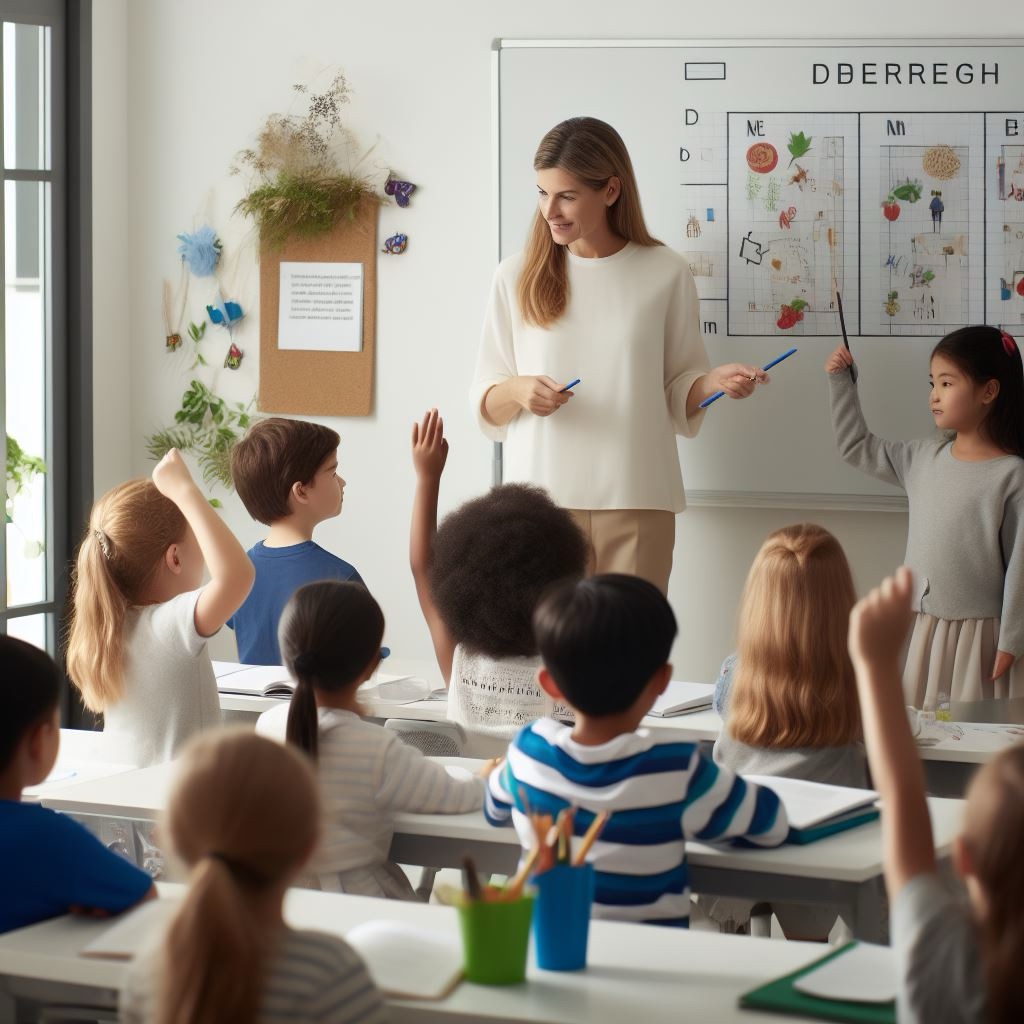
AI generated images *



 Aimee's LEARN
Leave a comment